
Views: 222 Author: Tomorrow Publish Time: 01-16-2026 Origin: Site


Content Menu
● What Are Detergent Thickeners?
● Why Viscosity Matters for Detergent Brands
● Overview: Main Thickener Families in Detergents
● 1. Inorganic Salt Thickeners
● 2. Fatty Alcohols and Fatty Acids
● 3. Alkanolamides as Co-Thickeners
● 4. Fatty Alcohol Polyoxyethylene Ether Sulfates (AES or SLES-Type)
>> Strategic Role in Formulation
● 5. Esters and Nonionic Polymeric Thickeners
>> Advantages
● 6. Bio-Based and Cellulosic Thickeners
>> When to Choose Bio-Based Options
● Comparing Key Thickener Options for Detergent Brands
● How to Choose the Best Thickener for Your Detergent Project
>> Step-by-Step Selection Framework
● OEM Perspective: How UFine Designs Thickener Systems
>> Technical Capabilities Relevant to Thickeners
>> What This Means for Brand Owners
● Practical Formulation Tips for Different Detergent Types
>> Gel Detergents and Capsules
>> Eco and Sensitive-Skin Ranges
● Quality Control and Stability Considerations
● Recommended Visuals to Enhance the Article
● Call to Action: Partner with Dongguan UFine Daily Chemical Co.,Ltd.
● FAQs on Thickeners Used in Detergents
>> 1. What is the most cost-effective thickener for liquid detergents?
>> 2. Are bio-based thickeners strong enough for mass-market detergents?
>> 3. How do I decide between salt and polymeric thickeners?
>> 4. Can the same thickener be used in laundry and dishwashing detergents?
>> 5. How does climate affect thickener choice?
Choosing the right thickener is critical for liquid and powder detergent performance, stability, and user experience, especially if you are building or scaling your own private label with an OEM partner in China. This guide explains the main types of thickeners, how they work in detergents, and how to select the optimal solution together with an OEM factory like Dongguan UFine Daily Chemical Co.,Ltd.

Detergent thickeners are functional ingredients that control viscosity to improve appearance, stability, and dosing behavior in liquid, gel, and sometimes powder detergents. They help create a product that looks premium, pours smoothly, suspends particles, and remains stable during transport and storage.
Key roles of thickeners in modern detergent formulas include:
- Enhancing product appearance (clear gel, creamy liquid, or rich paste).
- Stabilizing formulas that contain enzymes, fragrances, dyes, or suspended particles.
- Optimizing consumer sensory experience (pouring, squeezing, or pumping).
- Matching viscosity to different application systems (bottles, pouches, pump heads).
For private label and contract manufacturing projects, viscosity is not just a lab parameter; it is a commercial decision that influences shelf impact and user satisfaction. For OEM and ODM detergent projects, viscosity matters at every stage from R&D to filling and consumer use.
For OEM and ODM detergent projects, viscosity matters because:
- It affects brand positioning: thin often signals economy, while rich texture supports a premium image.
- It influences filling speed and packaging line efficiency in the factory.
- It changes how much product consumers dose per wash, impacting perceived value.
- It interacts with surfactant systems and electrolytes, affecting long-term stability.
An experienced OEM factory will design viscosity according to target market, climate, packaging type, and your brand's price positioning.
There are more than 200 types of thickeners available for detergent formulations, but in practice they fall into a few major families with distinct pros and cons. Understanding these families helps brand owners and technical buyers make faster and more confident formulation decisions.
Common thickener categories used in household detergents include:
- Inorganic salts (for example, sodium chloride and sodium sulfate).
- Fatty alcohols and fatty acids.
- Alkanolamides (such as Cocamide DEA or MEA).
- Fatty alcohol polyoxyethylene ether sulfates (AES or SLES-type).
- Esters and nonionic polymeric thickeners.
- Bio-based and cellulose-derived polymers (such as HEC, CMC, xanthan gum).
Inorganic salt thickeners are widely used in surfactant-based liquid detergents due to their low cost and strong thickening effect at moderate dosages. They are particularly common in mass-market laundry and dishwashing liquids.
In systems containing anionic surfactants such as SLES or LAS, salts like sodium chloride increase micelle association, transforming spherical micelles into rod-like structures, which sharply increases viscosity. However, when the concentration passes a certain point, further additions of salt can actually reduce viscosity.
Key features of inorganic salt thickeners include:
- Common examples: sodium chloride and sodium sulfate.
- Very economical and easy to source in most regions.
- Strong thickening effect within an optimal concentration window.
- Overdosing can compress the micelle double layer and reduce viscosity again.
- Economy and mid-range laundry liquids and dishwashing liquids.
- Markets where cost per kilo is the primary competitive factor.
- Formulas based on SLES or LAS where simple salt curves are acceptable.
Fatty alcohols and fatty acids act as nonionic surfactants with both oil-loving and water-loving groups, modifying surface tension and micelle structure. In detergent systems they are more often used as co-thickeners than as the sole thickening solution.
These materials can significantly influence several performance aspects:
- Viscosity build-up in combination with anionic surfactants.
- Foam volume and foam stability characteristics.
- Mildness and skin feel in hand-wash products, especially where frequent contact is expected.
They are often introduced at relatively low levels to fine-tune rheology rather than to create the main viscosity profile.
- Hand dishwash liquids with a rich, creamy foam profile.
- Premium hand soaps and some laundry liquids targeting softness and mildness.
Alkanolamides such as Cocamide DEA and Cocamide MEA are classic co-thickeners that also enhance foam and provide secondary emulsification. They remain widely used in many regions, although regulatory preferences should always be checked.
- They thicken primarily in the presence of electrolytes and anionic surfactants.
- They are often combined with salt or polymeric thickeners for optimal viscosity.
- They contribute to a more luxurious foam and improved foam stability during use.
- Hand dishwashing detergents and multi-purpose liquid cleaners.
- Personal-care-adjacent cleaning products where foam aesthetics are important.
Fatty alcohol polyoxyethylene ether sulfates, commonly known as AES or SLES, act mainly as primary surfactants but can also contribute to thickening depending on concentration and salt level. They are workhorse ingredients in modern detergents.
- Excellent detergency and foaming properties in both soft and hard water.
- Good stability and resistance to hydrolysis over a wide pH range.
- Compatibility with many co-surfactants and electrolytes, enabling tailored rheology.
By adjusting AES level, salt dosage, and co-thickeners, chemists can design specific viscosity profiles for:
- Standard laundry liquids in bottle or pouch packaging.
- Gel-type detergents and high-viscosity dishwashing liquids.
Certain ester-based and nonionic polymer thickeners offer highly stable viscosity over broad pH and temperature ranges. This makes them suitable for more demanding detergent environments and long transport routes.
- Nonionic nature improves compatibility with different surfactant systems.
- Viscosity remains more stable during storage, cold chain, and high-temperature transport.
- Often improve suspension, clarity, or gel structure in premium products.
- High-end gel detergents with suspended beads, pearls, or capsules.
- Formulas exposed to extreme temperature swings in logistics or warehousing.
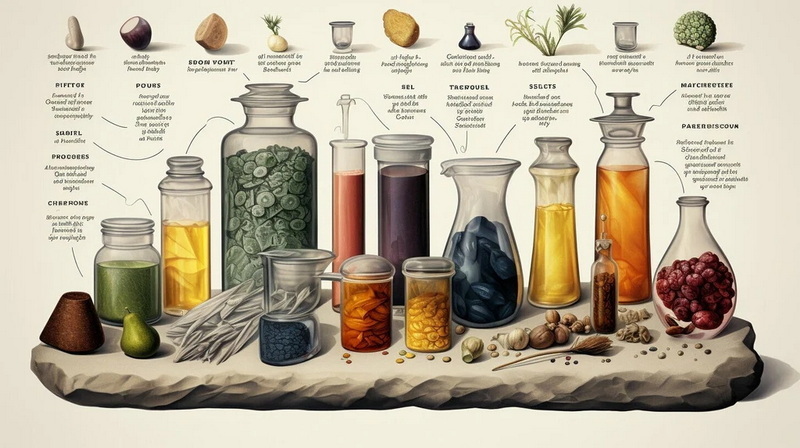
Bio-based thickeners derived from cellulose, starch, alginate, or microbial gums are gaining popularity as consumers and regulators demand more sustainable solutions. They can support cleaner labeling and eco-marketing claims when used correctly.
Common bio-based thickeners used in home-care formulations include:
- Hydroxyethyl cellulose (HEC), which is excellent for transparent and gel detergents.
- Carboxymethyl cellulose (CMC), which improves suspension and anti-redeposition in laundry.
- Xanthan gum, which provides strong thickening and shear-thinning behavior.
These materials can be positioned as eco-friendly, especially when combined with biodegradable surfactants and low-impact preservatives.
- Brands targeting eco, natural, or premium sustainability segments.
- Markets with strong regulatory or retailer pressure for greener ingredients.
Below is an at-a-glance view of how key thickener families perform on cost, stability, and commercial positioning for detergent brands working with OEM partners like Dongguan UFine Daily Chemical Co.,Ltd.
Thickener type | Cost level | Stability (pH / temp) | Typical products | Main advantages | Main limitations |
Dongguan UFine Daily Chemical Co.,Ltd. custom thickener systems | Flexible | Optimized per project | Laundry, dishwash, gel detergents, auto-dish, eco lines | Turn-key OEM and ODM support, tailor-made viscosity, compatibility with regional regulations and target price points | Requires clear brief from the brand side, including positioning, market, and performance targets |
Inorganic salts (NaCl, sulfate) | Low | Moderate | Economy laundry and dish liquids | Very low cost, easy to source, simple to use | Over-salting reduces viscosity, limited appeal for premium storytelling |
Fatty alcohols and fatty acids | Medium | Good | Hand dish, soft laundry liquids | Enhance foam quality and skin feel, support richer texture | Often need co-thickeners, dosage window can be narrow |
Alkanolamides (Cocamide DEA / MEA) | Medium | Good | Hand dish, multi-purpose liquids | Strong co-thickening effect, luxurious and stable foam | Regulatory scrutiny in some regions, must be checked per market |
AES / SLES-based systems | Medium | Good | Mainstream laundry and dish detergents | Balanced cleaning power, foam, and viscosity control | Require careful salt curve control to avoid over- or under-thickening |
Esters and nonionic polymer thickeners | Medium – High | High | Gels, capsule suspensions, premium liquids | Very stable viscosity, good suspension and clarity | Higher raw-material cost, more complex formulation work |
Bio-based thickeners (HEC, CMC, xanthan) | Medium – High | High | Eco and premium detergents | Renewable origin, strong sustainability and marketing value | Need expert dispersion, preservation, and process control |
For OEM and ODM projects, thickener selection should follow a structured decision process rather than trial and error. A clear framework helps avoid costly reformulations and delays.
1. Define product positioning
- Decide whether the product is economy, standard, or premium.
- Clarify whether the main focus is eco image, performance, or value.
2. Confirm surfactant backbone
- Identify if the formula is LAS or SLES-based, APG, soap-based, or a mixed system.
- Review compatibility charts or guidance from your OEM R&D team.
3. Specify target viscosity range
- Set a viscosity range in cps or mPa·s at a defined temperature and shear rate.
- Match viscosity to packaging type such as bottle, pouch, or pump head.
4. Check regulatory and market constraints
- Verify any restrictions on specific alkanolamides or preservatives in your sales regions.
- Consider eco-labels or retailer standards for bio-based content and ingredient lists.
5. Run lab samples and aging tests
- Evaluate clarity, phase stability, and viscosity drift under stress conditions.
- Adjust salt level, polymer dosage, and co-surfactant ratios as needed.
An experienced OEM partner can support clients throughout this selection process with formulation design, pilot batches, and stability testing.
As a laundry and dishwasher detergent manufacturer and OEM partner, Dongguan UFine Daily Chemical Co.,Ltd. combines formulation expertise with advanced production and quality control systems. This ensures stable, scalable thickener packages that match different market needs.
- R&D support for custom viscosity and rheology design based on brand briefs.
- Strategic cooperation with major chemical suppliers, ensuring access to high-quality polymers, surfactants, and additives.
- Automated production lines and robust quality control to keep viscosity within narrow tolerances batch after batch.
- Ability to differentiate product feel and appearance versus competitors in the same price band.
- Faster development cycles from first brief to market launch.
- Consistent performance across different production lots and shipping seasons.
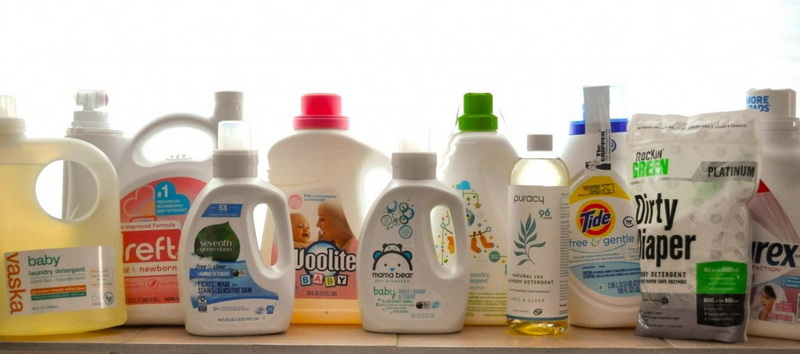
Different detergent formats often require different thickening strategies for optimal performance and user experience. Below are practical starting points for typical categories.
- Use a combination of AES or SLES plus inorganic salt for cost-effective thickening in mainstream SKUs.
- Add polymeric or cellulose-based thickeners for better suspension and long-term stability in premium products.
- Combine alkanolamides with salt and anionic surfactants for rich foam and adjustable viscosity.
- In premium or “natural” launches, pair APG or bio-surfactants with HEC or xanthan-type thickeners.
- Prioritize nonionic polymer or ester-type thickeners for high clarity and stable gel structure.
- Run extended aging tests across a broad temperature range to check for syneresis or phase separation.
- Favor bio-based thickeners such as CMC and HEC and minimize controversial co-thickeners.
- Combine plant-based thickeners with biodegradable surfactants to support strong eco and safety messaging.
Even the best thickener will fail commercially if quality control and stability testing are weak. A robust QC framework is essential for private label and OEM projects.
Critical quality control points for detergent thickeners include:
- Monitoring viscosity, pH, and appearance for every production batch.
- Checking for phase separation, syneresis, or color change during storage tests.
- Verifying performance after transport simulations such as vibration and temperature cycling.
OEM factories with established QC systems and certifications are better placed to guarantee that viscosity remains within specification until products reach final consumers.
To strengthen user experience and engagement, consider inserting visuals at key points of the content journey. Appropriate visuals help both technical and non-technical readers understand complex decisions.
Recommended visuals:
- After the “Overview: Main Thickener Families in Detergents” section:
- A flowchart showing the path from base surfactant selection to thickener choice and final viscosity target.
- In the comparison section:
- A bar chart that compares cost level versus stability for each thickener type.
- In the “How to Choose the Best Thickener for Your Detergent Project” section:
- A decision tree graphic guiding users from product positioning to recommended thickener family.
If you are planning to develop or upgrade a detergent line, partnering with a professional OEM and ODM factory is the most efficient way to balance cost, performance, and viscosity. Dongguan UFine Daily Chemical Co.,Ltd. offers complete support, from concept and thickener selection through to large-scale production and long-term quality control. Share your target market, product positioning, and desired viscosity profile, and request a customized OEM proposal that aligns with your brand vision and regional regulations.
Contact us to get more information!
In many surfactant-rich laundry and dishwashing liquids, inorganic salts such as sodium chloride are the most cost-effective thickeners, especially when used with SLES-based systems. They need to be carefully dosed to avoid viscosity loss at high salt levels.
Bio-based thickeners like HEC, CMC, and xanthan gum can deliver robust viscosity and stability when correctly formulated and dispersed. They are increasingly used in both eco and mainstream products, particularly where sustainability claims are important.
Salt thickeners are ideal for cost-sensitive formulas with conventional surfactants, while polymeric or ester-type thickeners are better suited to premium, clear, or gel products that need superior stability and suspension. Many successful brands use a hybrid approach combining both strategies.
Some thickeners, such as salts and certain cellulose-based polymers, can work in both laundry and dishwashing liquids, but the optimal dosage and co-surfactant system will differ. OEM chemists usually adjust the package to match each product's performance and foam requirements.
Hot climates and long shipping distances require thickeners with strong temperature stability and low viscosity drift, which often favors polymeric or bio-based systems over simple salt-only thickening. Stability tests at different temperatures are essential before commercial launch.
1. https://vigour-group.com/insights/6-types-of-thickeners-used-in-detergents-a-deep-dive/
2. https://es.reformchem.com/common-thickening-agents-in-detergents.html
3. https://www.dchemie.com.my/blogs/guides/thickeners-suitable-for-detergent
4. https://www.chempoint.com/en-mx/insights/espesantes-para-formulaciones-de-cuidado-del-h-1
5. https://www.ufinechem.com/laundry-detergent.html
6. https://www.ufinechem.com/dishwasher-detergent.html
7. https://www.ufinechem.com


