
Views: 222 Author: Tomorrow Publish Time: 01-14-2026 Origin: Site


Content Menu
● What Makes A Detergent Truly Effective
● Best Powder Detergent For Heavy Soil And Value
● Best Liquid Detergent For Daily Laundry
● Best Free & Clear Detergent For Sensitive Skin
● Best HE Detergent For Modern Washing Machines
● Best Laundry Pods For Convenience
● Best Eco-Focused And Plant-Based Detergent
● How To Choose The Right Laundry Detergent
● Expert Usage Tips For Better Results At Home
● OEM And Private-Label Opportunities In Laundry Detergent
● Summary Table Of Detergent Types And Best Use Cases
● Take The Next Step Toward Smarter Laundry And Stronger Brands
● FAQs
>> 1. Are powder detergents still a smart choice for modern washing?
>> 2. Do I really need HE detergent for a high-efficiency (HE) washer?
>> 3. Is fragrance-free detergent less effective than scented products?
>> 4. Why are laundry pods more expensive per load?
>> 5. What is the most important step to improve laundry results without changing detergent?
Choosing the right laundry detergent affects cleaning power, fabric life, skin comfort, and even energy bills. This guide explains six key detergent types, how they work in real homes, and how OEM buyers can build competitive product lines with expert manufacturing support.[1][2][3]

Independent testing focuses on how well detergents remove oil, protein, pigment, and everyday dirt across different water temperatures and machine types. The best products balance stain removal, fabric care, skin safety, and cost per wash, instead of only chasing maximum strength.[4][5][1]
Key performance dimensions include:[5][1]
- Stain range: food, sweat, mud, body oils, and odors.
- Cold-water performance to save energy while keeping cleaning results stable.
- Residue control, especially in high-efficiency (HE) washers and hard water.
- Skin-friendliness for babies, children, and sensitive users.
- Real cost per load, based on actual dosage, not just bottle price.
Well-formulated powder detergents with oxygen-based bleaching agents remain top performers on heavily soiled items, workwear, and outdoor clothing. These formulas typically combine surfactants, builders, oxygen bleach, and enzymes to handle stubborn stains and brighten fabrics.[2][6][1]
Key advantages of quality powder detergent:[6][1]
- Strong action on mud, clay, and ingrained body soil in cotton and blends.
- Oxygen bleach helps restore whiteness and tackle oxidizable stains.
- Long shelf life and excellent cost-effectiveness per wash, ideal for bulk buyers.
- Often performs well in hard-water conditions, when the formula includes proper builders.
Best suited for:[1][2]
- Workwear, uniforms, sports kits, school clothes, and hotel or hostel linens.
- Markets where powder remains the dominant format for price-sensitive consumers.
- Bulk packaging for wholesalers and brands that emphasize value plus performance.
High-performing liquid detergents are popular because they dissolve quickly and excel at oil and grease removal, which is a weakness for many basic powders. They are also convenient for pre-treating collars, cuffs, and local stains, making them ideal as a main household product.[4][2][1]
Strengths of a well-balanced liquid formula:[2][1]
- Fast dissolution even in cold water and quick cycles.
- Very good performance on sebum and food oils common in everyday laundry.
- Reduced risk of undissolved residue on dark or delicate fabrics.
- Easy to integrate added functions such as color care, mild softening, or hygiene boosts.
Best suited for:[1][2]
- Mixed family loads: T-shirts, jeans, underwear, sportswear, and kids' clothes.
- Brands positioning a primary “hero” SKU on supermarket shelves or e-commerce.
- Households that prefer easy measuring and flexible dosing for different soil levels.
Demand for fragrance-free, dye-free detergents continues to grow as more families pay attention to skin sensitivity, allergies, and baby care. These “Free & Clear” formulas focus on cleaning performance while avoiding common irritants like heavy perfume or unnecessary colorants.[7][1]
Key characteristics of a strong sensitive-skin option:[7][1]
- No added fragrance or synthetic dye, clearly labeled on packaging.
- A carefully chosen surfactant system designed to rinse clean and reduce residue.
- Cleaning performance that still competes with standard scented detergents.
- Often recommended for baby clothes, bedding, and close-to-skin garments.
Best suited for:[8][1]
- Families with babies, young children, or atopic/eczema-prone members.
- Markets where hypoallergenic and dermatology-aware messaging resonates.
- Product lines that combine gentle formulas with modern, clean branding.
High-efficiency washers use less water and higher mechanical action, which means traditional high-sudsing detergents are not appropriate. Dedicated HE detergents are low-sudsing and concentrated so they can clean effectively in low-water conditions without overflowing or leaving residues.[9][10][11]
What defines a quality HE detergent:[12][9]
- Low-foam surfactant systems designed for HE and front-load machines.
- High active content for effective cleaning in shorter, cooler cycles.
- Good rinsability to avoid build-up that can cause odor in the washer.
- Clear HE labeling and dosage instructions for different load sizes and soil levels.
Best suited for:[10][9]
- Regions where HE and front-load machines are common in homes and laundromats.
- Consumers focused on energy and water savings without sacrificing cleanliness.
- Brands that want compact bottles or pouches with concentrated formulas.
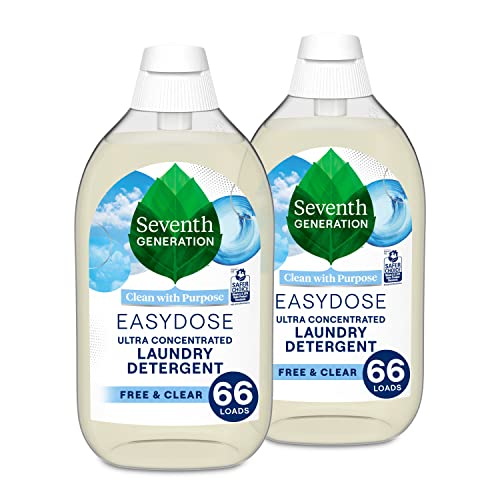
Single-dose laundry pods or capsules appeal to users who want a clean, simple routine: toss in a pod and start the wash. Well-designed pods can deliver performance comparable to strong liquids, but they are usually more expensive per wash.[13][6][1]
Key strengths of modern laundry pods:[6][13]
- Pre-measured dosing, reducing waste and user error.
- Consistent cleaning between loads, as each pod contains a controlled formula mix.
- Easy to store and transport, particularly for apartment living or student housing.
- Possibility of multi-chamber designs combining detergent, softener, and boosters.
Important usage notes:[6][1]
- Always store out of reach of children and pets; packaging should emphasize safety.
- Pods are less flexible when adjusting dosage for very small or very dirty loads.
- Performance depends on film dissolution, especially in cold water and short cycles.
Eco-oriented detergents aim to reduce environmental footprint through ingredients, packaging, and wash habits, while still delivering acceptable cleaning results. Many rely on plant-derived surfactants, biodegradable systems, and concentrated formats that work well at lower temperatures.[14][7]
Core features of leading eco formulas:[14][7]
- High concentration to reduce plastic, weight, and transport emissions.
- Biodegradable surfactants and avoidance of certain harsh chemicals where possible.
- Strong performance in cold water, supporting energy-saving washing habits.
- Often lighter fragrances or unscented variants for users sensitive to strong scents.
Best suited for:[14][7]
- Eco-conscious consumers in urban and higher-income markets.
- Retailers and brands building green sub-lines or plastic-reduced offerings.
- Product portfolios that highlight sustainability and responsible sourcing.
With so many formats and claims, a simple decision framework helps households and buyers choose smartly. Matching laundry habits, machine type, and skin needs to the formula type is more effective than chasing trends.[12][2]
Step 1 – Clarify your priority:[2][12]
- Heavy-duty cleaning and stain removal.
- Gentle care for sensitive skin and baby clothes.
- Lower environmental impact and cold-water performance.
- Convenience and ease of dosing.
Step 2 – Match format to your priority:[10][2]
- Powder: best for value, hard water, and heavily soiled loads.
- Liquid: best for daily mixed loads and direct stain pre-treatment.
- Pods: best for convenience and consistent dosing.
- Eco formulas: best for users focused on ingredients and sustainability.
Step 3 – Check the washing machine:[11][9]
- For HE washers, always use detergent marked with the HE symbol.
- Avoid using regular high-sudsing detergent in HE machines to prevent foam issues.
- In traditional top loaders, both HE and regular detergents can work if dosed correctly.
Step 4 – Read the label carefully:[9][10]
- Follow dosage instructions based on load size and soil level.
- Look for notes on sensitive skin, septic system compatibility, or eco certifications if those matter to you.
Even with a strong formula, small changes in laundry habits can significantly upgrade cleaning performance. Correct dosing, loading, and cycle selection reduce complaints and keep fabrics looking newer for longer.[4][1]
Practical tips:[15][11][1]
- Sort by fabric and soil, not just by color, to limit dirt transfer.
- Do not overload the drum; clothes should move freely for proper agitation and rinsing.
- Use pre-treatment with liquid detergent or stain remover on heavy spots.
- Prefer cold or warm water for most loads, using hotter wash only where truly necessary.
- Run the machine's cleaning cycle periodically to prevent odor and residue buildup.
Global demand for differentiated detergents—whether sensitive-skin, eco, HE, or convenience-focused—has opened substantial room for private-label and OEM projects. Professional factories with robust R&D and quality systems can help create product ranges that align with modern consumer expectations.[16][3]
Key OEM capabilities highlighted in the industry:[3][17][16]
- Development of multiple formats: powder, liquid, pods, softeners, hygiene rinses, and specialty cleaners.
- Customization of fragrances, colors, and concentrations to suit regional tastes.
- Support with regulatory compliance, documentation, and testing for export markets.
- Flexible production and packaging lines able to handle small runs or large volumes.
Such capabilities allow brand owners, distributors, and retailers to launch full detergent families targeting different price points and performance segments without building their own plants.[16][3]
| Detergent Type | Core Strengths | Best Use Cases | Notable Considerations |
|---|---|---|---|
| Powder (oxygen-boosted) | Strong on heavy soil, good value per wash | Workwear, uniforms, hard-water areas | Needs correct dosing and full dissolution in cooler cycles |
| Liquid (everyday) | Excellent on oils, fast dissolving | Mixed daily loads, stain pre‑treatment | Heavier packaging; avoid overdosing to reduce residue |
| Free & Clear | Gentle on skin, no fragrance or dyes | Baby wear, sensitive skin, allergy-prone users | May feel less “fragrant clean” to users used to strong scents |
| HE Detergent | Low-sudsing, concentrated for HE machines | Front‑load and HE washers in low‑water systems | Regular detergent can cause foam issues in HE machines |
| Pods / Capsules | Simple, pre-measured, portable | Busy households, students, small living spaces | Higher cost per load; must be stored safely away from children |
| Eco / Plant-Based | Lower environmental impact, cold‑wash friendly | Eco-conscious urban consumers and green sub‑brands | Some formulas may be weaker on extreme stains if not optimized |
If you are planning to upgrade your home laundry routine, start by matching your priorities – heavy soil, sensitive skin, eco focus, or convenience – to the right detergent type and always follow the dosing and machine guidelines outlined above. For distributors, retailers, and emerging brands, now is the ideal time to design differentiated product lines that cover powder, liquid, pods, HE, sensitive-skin, and eco formats, supported by reliable manufacturing, flexible customization, and strict quality control. Taking action today will position your household or your business ahead of shifting consumer expectations in the 2026 laundry care market.[9][16][3][2]
Yes. Quality powders with oxygen-based bleaching systems remain very effective for heavily soiled loads, particularly in hard-water areas and for cotton-rich fabrics. They are also attractive where buyers prioritize low cost per wash and long storage life.[3][1][6][2]
Yes. HE machines rely on low water levels, so they require low-sudsing, HE-labeled products to avoid excess foam and poor rinsing. Using regular high-sudsing detergent can lead to longer cycles, residues, and potential odor problems inside the washer.[11][9][10]
Not by default. Well-formulated fragrance-free detergents use the same cleaning technologies as scented ones and can match them on stain removal and odor control. The main difference is the absence of added perfume, which reduces potential irritation but also reduces the “scent signal” some users associate with cleanliness.[7][1]
Pods usually cost more because they combine pre-measured dosing, compact packaging, and often concentrated formulas. Many households accept the higher price in exchange for simplicity, portability, and reduced measuring errors.[13][6]
The most important step is usually correct dosing and proper loading of the machine. Following label instructions, not overfilling the drum, and using appropriate cycles can dramatically improve cleaning and rinsing, even with your current product.[11][1][4]
[1](https://www.nytimes.com/wirecutter/reviews/the-best-laundry-detergent/)
[2](https://vigour-group.com/insights/6-best-laundry-detergents-recommended-by-wirecutter-2025-guide/)
[3](https://www.ufinechem.com/laundry-detergent.html)
[4](https://www.nytimes.com/wirecutter/blog/stop-using-so-much-laundry-detergent/)
[5](https://www.nytimes.com/wirecutter/reviews/testing-washers-dryers-and-detergents/)
[6](https://www.consumerreports.org/appliances/laundry-detergents/best-and-worst-laundry-detergents-from-consumer-reports-tests-a9342715268/)
[7](https://www.nytimes.com/2024/09/09/climate/laundry-eco-friendly-tips.html)
[8](https://vigour-group.com/insights/6-best-laundry-detergents-for-whites-keep-your-clothes-bright-and-spotless/)
[9](https://tide.com/en-us/how-to-wash-clothes/washing-machine-101/how-to-use-an-he-washer)
[10](https://www.whirlpool.com/blog/washers-and-dryers/what-is-he-detergent.html)
[11](https://www.maytag.com/blog/washers-and-dryers/understanding-he-detergent.html)
[12](https://laundrysauce.com/blogs/news/what-is-he-detergent)
[13](https://www.reviewed.com/laundry/best-right-now/best-laundry-detergents)
[14](https://www.nytimes.com/wirecutter/reviews/clean-everything-plastic-free-detergent-20250605/)
[15](https://www.nytimes.com/wirecutter/reviews/clean-everything-cleaning-tips-20250904/)
[16](https://www.ufinechem.com)
[17](https://zjjfrh.en.made-in-china.com)
[18](https://www.reddit.com/r/laundry/comments/1qavwh5/recommended_detergents_wirecutters_review/)
[19](https://www.tiktok.com/@wirecutter/video/7530284659784092983)
[20](https://www.nytimes.com/wirecutter/reviews/best-detergent-for-hand-washing-clothes/)


