
Views: 222 Author: Tomorrow Publish Time: 01-13-2026 Origin: Site


Content Menu
● Why Old Oil Stains Are So Difficult
● Preparation Steps Before Any Treatment
>> Check Care Labels and Fabric Type
>> Keep the Fabric Dry at First
● 1: Baking Soda or Cornstarch Absorption
>> Tips for Safe and Effective Use
● 3: Enzyme-Based Detergent Pre-Soak
>> Advantages of Enzyme Pre-Soaking
● 4: Absorbent Powders for Thick Fabrics
● 5: Stain Remover Sprays and Oxygen Bleach
● How Fabric Type Influences Results
>> Guidelines for Common Fabrics
>> Quick –Fabric Reference Table
>> Setting the Stain With Heat
● Simple Home Routine for Old Oil Stains
>> Benefits of a Consistent Process
● When Professional Cleaning Is a Better Choice
>> Situations That Call for Professional Care
>> What to Tell a Professional Cleaner
● Take Action to Improve Stain Removal Results
● FAQs About Removing Old Oil Stains From Clothes
>> 1. Can old oil stains be fully removed?
>> 2. Is baking soda always safe for fabrics?
>> 3. How many times can I repeat a stain treatment?
>> 4. Should I use hot water from the beginning?
>> 5. What type of detergent is best for old oil stains?
Old oil stains can be extremely stubborn, but with the right approach and ical steps, many garments can be saved instead of discarded. Using a combination of absorption, targeted detergents, and correct washing techniques dramatically improves the success rate on set-in grease and oil spots.[1][2][3][4]

Old oil stains have usually penetrated deep into the fibers and may have been “set” by previous washing and drying cycles, which makes them harder to remove than fresh stains. Over time, oils oxidize, bond more tightly to fabric, and become less responsive to simple water-only washing.[5][3][4][1]
Taking a few simple steps before applying any stain-removal helps protect fabrics and increases the chance of success. Always work patiently and avoid harsh mechanical friction that can damage delicate textiles or spread the stain.[3][1]
Care labels indicate maximum water temperature, whether bleach is allowed, and whether machine washing is safe. This information is essential before choosing products or heat levels, especially for wool, silk, and other delicate fibers.[2][6][5]
For old oil stains, the first step is to keep the stained area dry so that absorbent powders or concentrated cleaners can work effectively. Placing a clean white cloth or towel under the stain helps prevent transfer to the back of the garment or other layers.[1][3]
If there is still visible residue, gently blot with a paper towel or cloth to lift any loose surface oil rather than rubbing it deeper into the fibers. Strong rubbing can both spread the stain and weaken the fabric structure over time.[2][3][1]
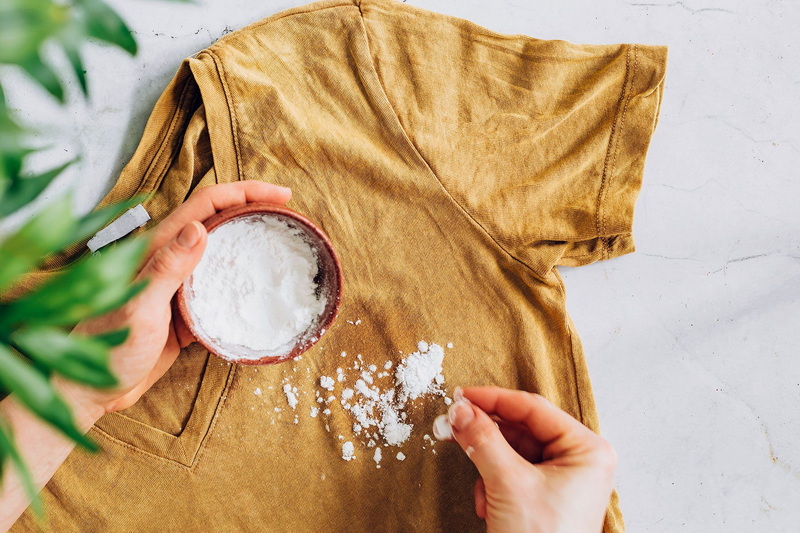
Baking soda and similar absorbent powders are excellent for drawing out oil from many fabrics before washing. This works especially well on cotton, polyester, and blends commonly found in everyday clothing.[7][5][3][2]
- Lay the garment flat with a towel behind the stained area.
- Sprinkle a thick layer of baking soda or cornstarch over the dry stain.[5][3]
- Let it sit for 30–60 minutes (or longer for larger stains) so the powder can absorb oil.[3][5]
- Gently brush or shake off the powder.
- Repeat the application if the powder turns noticeably discolored or clumped, indicating more oil is being absorbed.[7][3]
This approach is especially useful for light-to-moderate stains and for fabrics that can tolerate brushing, such as jeans, shirts, and workwear. It is also a low-risk first step before using stronger liquid cleaners or enzyme detergents.[4][2][5][7]
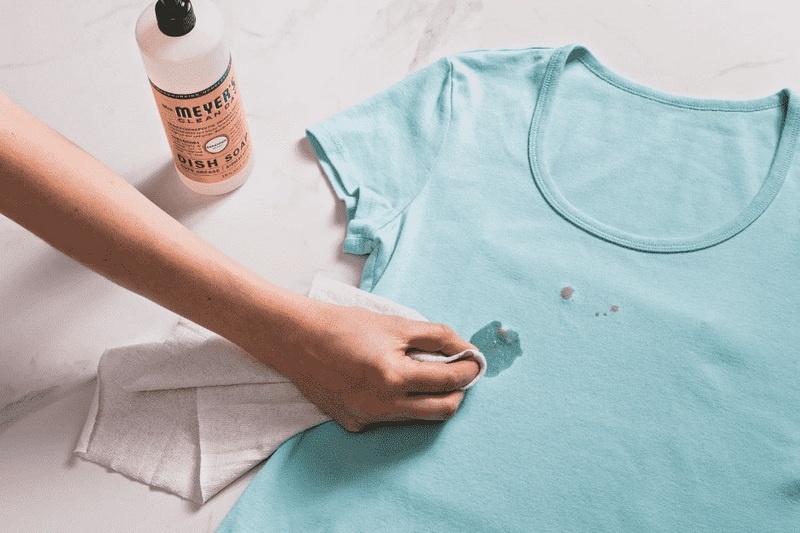
Grease-cutting dish soaps are formulated to break down oils and can be very effective on old oil stains when used correctly with warm water. Combining dish soap with gentle agitation helps emulsify the oil, allowing it to rinse away more easily.[4][2][3]
- Apply a small amount of liquid dish soap directly onto the stain.
- Gently work it into the fabric with fingers or a soft toothbrush using light circular motions.[2][3]
- Let it sit for about 10–15 minutes so the formula can break down the oil.[4][2]
- Rinse thoroughly with warm water if the care label permits, then launder as usual.
Use clear or dye-free dish soaps on light fabrics to reduce the risk of discoloration. For delicate fibers, always test on a small hidden area first and avoid harsh scrubbing.[2][4]
Enzyme-based detergents often contain lipase and other enzymes that target oily soils and can be especially powerful when combined with soaking. These products help break down fats and oils into smaller fragments that can be lifted away by surfactants during washing.[8][9][10]
- Fill a basin or bucket with warm water, following the temperature guidance on the care label.
- Add the recommended amount of enzyme detergent and mix until dissolved.[9][4]
- Submerge the stained garment and ensure the spot is fully covered.
- Soak for 30–60 minutes, or longer for heavy stains, then gently rub the stained area under water.[4]
- Wash in the machine with the same detergent, using the warmest safe water.
This is ideal for multiple stains on a single garment or larger laundry loads where manual spot-treatment for each item is impractical. Proper use of enzymes can improve cleaning performance while helping to reduce reliance on very high temperatures or harsh chemicals.[10][8][9][4]
Crushed white chalk, talcum powder, and similar materials are especially useful on thick fabrics that hold more oil, such as denim and heavy workwear. These powders help pull out deeply embedded oils before main washing.[1][7]
- Keep the fabric dry and place a towel behind the stained area.
- Cover the stain with a generous layer of chalk or talcum powder.
- Let it sit for at least 15–30 minutes, or until the powder appears clumped.[7][1]
- Brush away and reapply if necessary until clumping no longer occurs.
- Follow with a pre-treatment using detergent or dish soap, then launder.
This approach is well suited for large or older grease patches and for garments that can tolerate repeated brushing and washing. It is often combined with other s when dealing with long-standing stains.[1][2]
Specialized stain remover sprays and gels, often paired with oxygen-based bleaching agents, are designed to handle difficult oil and grease stains on many washable fabrics. When used according to the label, they can significantly lighten or remove marks that resisted simpler approaches.[7][2][4]
- Apply the stain remover to the dry stain, ensuring complete coverage.
- Allow it to work for the time specified on the product label, usually 10–30 minutes.[2][4]
- Wash the garment with detergent, adding a suitable oxygen bleach if allowed by the care label.[4][7]
- Air-dry and inspect the area; repeat the process for any remaining shadow of the stain.
Always read product labels carefully, especially for colored or delicate fabrics that may be sensitive to bleaching agents. Conduct a spot test in a concealed area when trying a new product for the first time.[2]
Different textiles react very differently to both oil and cleaning agents, so matching to fabric type is crucial. The wrong combination of heat, chemistry, and mechanical action can cause shrinkage, color loss, or texture changes.[1][2]
- Cotton and polyester blends: generally tolerate warm or hot water, enzyme detergents, and stain removers when the care label permits.[4][2]
- Silk, wool, and other delicates: require mild products, cooler water, and gentle handling to minimize damage.[6][2]
| Fabric type | Baking soda / cornstarch | Dish soap | Enzyme pre‑soak | Absorbent powders | Stain remover + oxygen bleach |
|---|---|---|---|---|---|
| Cotton | Highly suitablew | Highly suitable | Highly suitable | Suitable | Highly suitable (if allowed) |
| Polyester / blends | Suitablew | Suitable | Highly suitable | Suitable | Highly suitable (if allowed) |
| Denim / workwear | Highly suitable | Suitable | Suitable | Highly suitable | Highly suitable (if allowed) |
| Silk / delicates | Use with care | Mild only | Gentle only | Talc recommended | Only if label allows |
| Wool / cashmere | Use with care | Mild only | Gentle only | Talc recommended | Only if label allows |
Avoiding a few frequent errors can prevent stains from becoming permanent and protect garments.
High dryer temperatures or very hot wash cycles used before proper pre-treatment can fix oil more firmly into fibers. Always confirm that the stain has disappeared or nearly disappeared before using high heat.[2][4]
Over-enthusiastic scrubbing can push oil deeper into fabric and roughen or fuzz the surface. Gentle, repeated treatments are usually more effective and safer than one harsh attempt.[3][2]
For everyday use, combining several of the s above in a short routine works well on many garments.
- Blot the area and keep it as dry as possible.
- Cover the stain with baking soda or a similar absorbent powder; let it sit, then brush off.[5][3]
- Treat the area with dish soap or an enzyme detergent and gently work it into the fabric.[4][2]
- Wash with a high-quality detergent using the warmest water that the care label allows.[2][4]
- Air-dry and inspect; repeat the process if any trace remains before using the dryer.[4]
Following a consistent sequence helps prevent accidental setting of stains and provides a clear framework for deciding when to repeat a treatment. Over time, it becomes easier to estimate which garments are likely to be fully restored and which may retain a faint mark.[2][4]
Some items are simply too valuable, delicate, or heavily stained to treat repeatedly at home.
- High-value garments such as tailored suits, silk dresses, and cashmere knitwear with prominent oil marks often benefit from professional equipment and solvents.[6]
- Stains that have resisted multiple careful home attempts without improvement are strong candidates for specialized cleaning services.[6][2]
Providing details about the type of oil (for example, cooking oil or automotive grease) and what treatments have already been tried helps professionals choose the safest and most effective approach. Whenever possible, bring the item in as soon as you notice the stain.[6][2]
Old oil stains do not always have to mean the end of a favorite garment, but success depends on using the right products, techniques, and water temperatures in a deliberate way. For households, this means building a small toolkit that includes absorbent powders, a grease-cutting liquid, and a reliable enzyme detergent, then following a clear treatment routine every time.[5][4][2]
If your organization develops or sells laundry products and you want to offer customers better results on stubborn oil and grease stains, now is an excellent time to review and upgrade your stain-removal solutions. Focus on combining user-friendly instructions with high-performing formulations so that end users can handle difficult stains confidently at home.[8][9][10]
Many old oil stains can be greatly reduced or completely removed with repeated use of absorbent powders, dish soap, and enzyme detergents, especially on cotton and polyester blends. However, stains that have been exposed to high heat multiple times may only fade rather than disappear entirely.[3][5][4][2]
Baking soda is generally safe for most sturdy fabrics and is widely used as an absorbent for grease and oil. On very delicate materials, it is still wise to test on a hidden area and use a soft touch when brushing it away.[5][3][2]
Treatments with baking soda, dish soap, or enzyme detergent can typically be repeated several times as long as the fabric is monitored for signs of wear. It is better to use multiple gentle cycles than one extremely aggressive attempt that might damage the garment.[3][2]
Using the hottest water allowed by the care label is often very effective after a proper pre-treatment step, because heat helps emulsify and remove oils. Using high temperatures without pre-treatment can instead set the stain more deeply, so sequence is important.[4][2]
Detergents that include enzymes targeting fats and oils, together with effective surfactants, tend to perform best on old or set-in grease marks. When combined with the right pre-treatment and temperature, they can significantly outperform basic formulations on difficult oily soils.[9][10][8][4]
[1](https://www.bosch-home.co.uk/stories/tips-and-tricks/how-to-get-oil-stains-out-of-your-clothes)
[2](https://.nyc/how-to-remove-oil-stains-from-clothes/)
[3](https://www.businessinsider.com/reference/how-to-get-oil-stains-out-of-clothes)
[4](https://tide.com/en-us/how-to-wash-clothes/how-to-remove-stains/general-oil-stains)
[5](https://www.whirlpool.com/blog/washers-and-dryers/how-to-get-grease-and-oil-stains-out.html)
[6](https://.it/en/stain_removal/the-guide-on-how-to-remove-oil-stains-from-fabrics-in-a-simple-way/)
[7](https://www.vanish.co.uk/stain-removal/food-and-drink-stains/oil/)
[8](https://www.kdnenzymes.com/sale-13519828-remove-oil-stain-detergent-enzyme-lipase-washing-powder-cas-9001-62-1.html)
[9](https://www.enzymeinnovation.com/lipase-detergent-everything-you-need-know/)
[10](https://ultrezenzymes.com/what-types-of-stains-are-best-targeted-by-detergent-enzymes/)
[11](https://www.reddit.com/r/howto/comments/8n799n/how_to_remove_old_oil_stains/)
[12](https://www.youtube.com/shorts/sTXx71g2CZ8)
[13](https://www.facebook.com/mise.en.place.professionalorganiser/posts/-the-oil-stain-removal-hack-that-works-like-magic-youll-need-a-plate-a-good-dish/958989499599742/)
[14](https://www.youtube.com/shorts/gO5Xxbs8EsE)
[15](https://thedirtcompany.com.au/products/oil-body-grease-stain-remover-starter-pack)
[16](https://www.reddit.com/r/howto/comments/qv6wgt/how_do_i_remove_this_oil_stain_from_my_pants/)


