
Views: 222 Author: Tomorrow Publish Time: 01-13-2026 Origin: Site


Content Menu
● Why Antibacterial Laundry Detergents Matter
>> How Antibacterial Formulas Work
>> Key Benefits for Everyday Users
● Top 5 Antibacterial Laundry Detergents (2026 Edition)
>> 1. Dongguan UFine Daily Chemical Co.,Ltd. Antibacterial Laundry Solutions
>> 2. Sunshine Hygiene Laundry Rinse
>> 4. Dettol Antibacterial Laundry Cleanser
>> 5. Clorox Laundry Sanitizer
>> 6. Tide Hygienic Clean Heavy Duty 10X
● Antibacterial Laundry Product Types and Features
>> Antibacterial Hygiene Laundry Rinse
>> Antibacterial Detergent Powders
>> Laundry Pods and Capsules with Antibacterial Features
>> Fabric Softeners with Antibacterial Agents
● How to Choose the Right Antibacterial Laundry Detergent
>> Why Professional OEM Support Matters
● Practical Usage Tips for Better Antibacterial Performance
>> Step-by-Step Application Guide
● Summary Table: Antibacterial Laundry Solutions Overview
● FAQ: Antibacterial Laundry Detergents
>> 1. Do antibacterial laundry detergents replace bleach completely?
>> 2. Are antibacterial laundry products safe for baby clothes?
>> 3. Do antibacterial detergents work in cold water?
>> 4. Are these products necessary for every load of laundry?
>> 5. What should brands consider before launching antibacterial laundry lines?
Antibacterial laundry detergents help remove not only visible dirt but also bacteria and other microbes that can survive normal washing cycles, improving everyday hygiene for homes and professional users. For brands and importers, upgraded antibacterial formulations are also a strategic way to stand out in a competitive cleaning-products market.[1][2][3][4]

Antibacterial laundry products are designed to target microbes that contribute to body odor, fabric contamination, and potential cross-infection between family members or patients. This is especially important in households with babies or elderly people, as well as in medical, hospitality, and sports environments where textiles frequently contact skin.[5][3][4]
Most antibacterial detergents and laundry sanitizers combine surfactants with specific active ingredients that disrupt microbial cell membranes or inactivate viruses so they can be rinsed away. Studies show that laundry sanitizers based on actives like quaternary ammonium compounds or PCMX can achieve high log reductions in viruses and bacteria under controlled conditions when used correctly.[3][6][5]
- Enhanced hygiene for towels, bedding, baby clothes, and sportswear that are prone to higher microbial buildup.[4][5]
- Odor control by reducing odor-causing bacteria instead of only masking smells with fragrance.[7][4]
- Comfort for sensitive skin by helping prevent microbial accumulation that may trigger irritation, when using suitable gentle formulas.[1][4]
- Support for high-risk settings such as clinics, gyms, nurseries, and care homes where fabric hygiene is part of infection-control routines.[3][4]
This section highlights five representative antibacterial laundry products and additives with strong market recognition and clear positioning for different usage scenarios.[7][4]
Dongguan UFine Daily Chemical Co.,Ltd. is a professional Chinese manufacturer focusing on OEM and ODM full-house cleaning products, including laundry detergents and related solutions. The company integrates R&D, production, and customization services, allowing overseas brands to develop proprietary antibacterial laundry products that match local regulations and consumer expectations.[2][1]
- Product range: Laundry detergents, washing-machine tablets, capsules, sheets, and other household cleaning products that can be tailored with antibacterial and eco-friendly features.[1]
- Customization strength: Flexible fragrance systems, mildness levels, concentrated formats, and packaging options for different markets and channels.[2][1]
- Sustainability focus: Development of biodegradable and reduced-phosphate or phosphate-free formulations to match tightening environmental policies worldwide.[1]
- Best for: Overseas brands, wholesalers, and importers seeking private-label antibacterial laundry collections with stable supply and technical support.[2][1]
Sunshine Hygiene Laundry Rinse is a rinse-cycle additive designed to enhance hygiene when used in combination with regular detergents.[4]
- Main function: Acts in the final rinse stage to help kill up to 99.9% of common germs on fabrics when used as directed.[4]
- Fabric care: Suitable for a wide range of textiles and designed to leave no visible residue while remaining compatible with most daily-wear items.[4]
- Ideal usage: Homes, small clinics, gyms, and care facilities where an easy extra hygiene step is required without changing the main detergent.[4]
Lysol Laundry Sanitizer is a well-known non-bleach laundry additive that targets bacteria surviving normal washes.[7][4]
- Performance: Independent lab tests have confirmed its ability to eliminate certain odor-causing bacteria on textiles when used according to instructions.[3][7]
- Application: Added directly to the rinse cycle, making it particularly suitable for baby clothes, underwear, and towels.[7][4]
- Positioning: For families seeking an extra level of fabric hygiene without using chlorine bleach.[7][4]
Dettol Antibacterial Laundry Cleanser is used alongside standard detergents for additional germ reduction, even in cooler washes.[5][4]
- Cold-water action: Reported to remove up to 99.9% of tested germs in water starting from about 20°C, which supports energy-saving and delicate-care cycles.[5][4]
- Fragrance: Light, relatively mild scent that aims to balance freshness and comfort for frequent wear.[4]
- Compatibility: Can be used with powders or liquids in both front-load and top-load machines.[4]
Clorox Laundry Sanitizer is a bleach-free antibacterial additive designed for odor-prone garments.[4]
- Formula: Color-safe liquid sanitizer that targets odor-causing bacteria on fabrics without using chlorine bleach.[4]
- Usage focus: Sportswear, gym gear, towels, and linens exposed to sweat and moisture.[4]
Tide Hygienic Clean Heavy Duty 10X is a heavy-duty detergent that combines deep cleaning with hygienic performance in one step.[3][4]
- Deep-clean system: Developed to remove deeply embedded soils and residues in high-traffic fabrics.[4]
- Use cases: Work uniforms, children's play clothes, sports kits, and other items requiring intensive washing.[3][4]
Modern hygiene portfolios often combine multiple formats—powders, liquids, capsules, rinses, and softeners—to match different consumer habits and price points.[1][4]
Antibacterial rinses are designed as a final-stage hygiene booster used together with standard detergents.[4]
- Role in the cycle: Added during rinsing to prolong contact time between fabrics and antibacterial agents.[3][4]
- User benefits: Extra reassurance for baby items, intimate wear, and textiles used by people with higher vulnerability.[5][4]
Detergent powders remain popular in many regions thanks to good cost-performance and shelf stability.[8]
- Cleaning strength: Surfactant systems penetrate fibers and help lift stubborn stains while carrying antibacterial ingredients.[8][4]
- OEM flexibility: Active content, fragrance, foam level, and antibacterial systems can be adjusted for local regulations through professional manufacturers.[9][1]
Laundry capsules combine pre-dosed convenience with concentrated cleaning.[10]
- Dosing accuracy: Helps consumers avoid under- or overuse of detergent, supporting consistent wash results and reduced waste.[10]
- Brand positioning: Suitable for mid- to high-end private-label lines emphasizing simplicity and hygiene.[10][1]
Fabric softeners can integrate antibacterial components for dual-action fabric care.[4]
- Combined effect: Softer hand feel plus suppression of odor-causing bacteria on frequently worn items.[3][4]
- Consumer appeal: Gentle fragrance and improved comfort can support premium positioning in retail channels.[1][4]
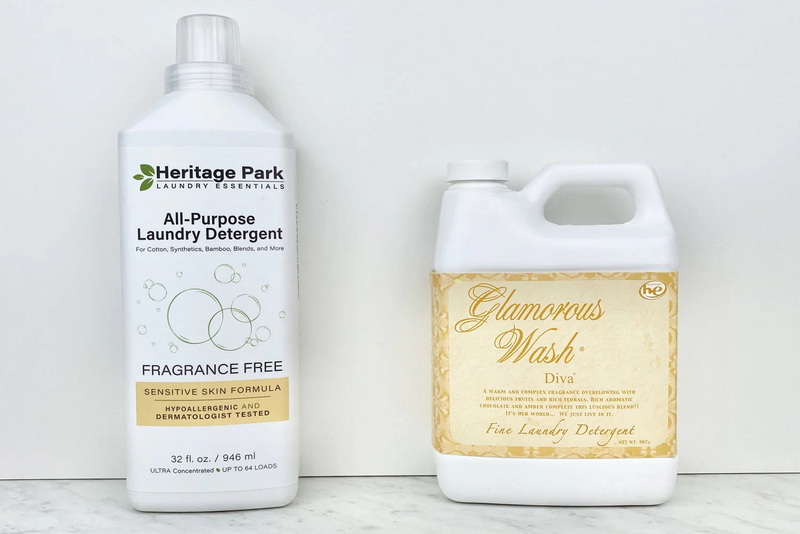
Selecting the best antibacterial solution depends on fabric type, user profiles, usage scenarios, and environmental expectations.[5][4]
1. Fabric and color type
- Prefer non-chlorine, color-safe products for delicate and colored garments.[5][4]
- Use more robust systems for workwear and heavily soiled textiles that can tolerate stronger cycles.[3][4]
2. Skin sensitivity
- Families with babies, elderly people, or sensitive skin may prioritize hypoallergenic or low-fragrance formulations.[1][4]
- Clear labeling and supporting tests are helpful for building user confidence in mildness claims.[1]
3. Usage environment
- Clinics, gyms, hotels, and care facilities often integrate antibacterial rinses or sanitizers into standard operating procedures.[3][4]
- General consumers may prefer all-in-one detergents or capsules for convenience.[10][5]
4. Sustainability expectations
- Eco-conscious users look for biodegradable ingredients, lower packaging weight, and concentrated formats.[8][1]
- Formulas effective in cold water support energy-saving washing habits.[5][4]
Working with experienced OEM factories helps brands translate hygiene trends into stable, compliant product ranges.[2][1]
- R&D and formulation: Professional manufacturers can design antibacterial systems aligned with regulatory frameworks and target claims.[6][1]
- Scale and quality control: Modern plants combine automated dosing, batch tracking, and testing to maintain consistent performance from batch to batch.[2][1]
- Market adaptation: OEM partners can localize fragrances, packaging languages, and format combinations for different regions and channels.[11][1]
Correct application is crucial to achieving promised antibacterial results.[6][3]
1. Sort by soiling level and fabric
- Separate high-risk or heavily soiled items such as sportswear, underwear, and linens from lightly worn garments.[3]
2. Measure products accurately
- Follow label guidance and adjust for water hardness and load size to avoid under-dosing or excessive use.[3]
3. Select an appropriate wash program
- Choose cycles that provide sufficient contact time for antibacterial agents to work effectively.[6]
4. Add sanitizer or antibacterial rinse at the right time
- Use the designated compartment or follow specific instructions for adding product during the rinse stage.[5][4]
5. Ensure thorough drying
- Dry laundry completely to reduce the chance of new microbial growth on damp fabrics.[3]
- Overloading the machine, which restricts water and product circulation through fabrics.[3]
- Randomly mixing chemicals, such as combining bleach with certain additives without checking compatibility.[12]
- Ignoring label contact-time instructions, which may reduce antibacterial effectiveness.[6]
| Product / Provider | Main feature | Best use scenario |
|---|---|---|
| Dongguan UFine Daily Chemical Co.,Ltd. | OEM/ODM antibacterial detergents, capsules, and tablets with customizable formulas and packaging. | Overseas brands and importers launching or upgrading private-label antibacterial laundry ranges. |
| Sunshine Hygiene Laundry Rinse | Rinse-stage antibacterial additive designed to kill up to 99.9% of germs when used as directed. | Households, clinics, gyms, and care homes seeking an extra hygiene step. |
| Lysol Laundry Sanitizer | Non-bleach rinse additive, lab-tested to remove certain odor-causing bacteria on laundry. | Baby clothes, underwear, towels, and items needing frequent sanitizing. |
| Dettol Antibacterial Laundry Cleanser | Additive that removes up to 99.9% of tested germs even in low-temperature washes from about 20°C. | Everyday laundry washed at low or medium temperatures, including delicate fabrics. |
| Clorox Laundry Sanitizer | Bleach-free, color-safe sanitizer emphasizing odor-causing bacteria control. | Sportswear, gym gear, and moisture-prone fabrics. |
| Tide Hygienic Clean Heavy Duty 10X | Heavy-duty detergent combining deep cleaning and hygienic performance in one step. | Work uniforms and heavily soiled clothing needing intensive care. |
For overseas brands, importers, and wholesalers seeking to build or upgrade antibacterial laundry portfolios, collaborating with a specialized OEM factory is one of the fastest ways to bring reliable, market-ready products to consumers. Contact Dongguan UFine Daily Chemical Co.,Ltd. to explore customized antibacterial laundry detergents, capsules, and hygiene-focused formulations tailored to your market positioning, regulatory needs, and brand strategy.[2][1]
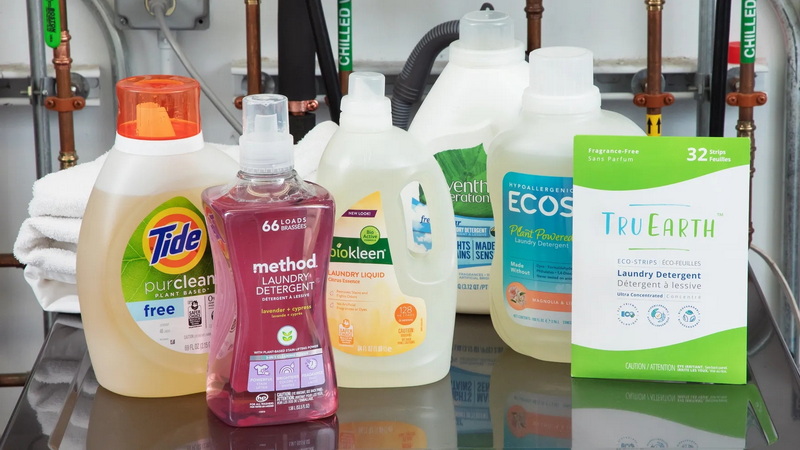
In many everyday cases, antibacterial detergents and laundry sanitizers can provide effective germ reduction without chlorine bleach when used as directed. However, bleach may still be preferred in certain institutional or heavily contaminated scenarios, always following safety and fabric-care guidelines.[3][4]
Many antibacterial products are suitable for baby textiles when labeled as gentle, hypoallergenic, or dermatologically tested, and used according to instructions. Parents should check product labels and consider fragrance-free options for newborns and sensitive skin.[1][5][4]
Some antibacterial additives and detergents are formulated to work even at lower temperatures, often from around 20°C, supporting energy-efficient washing. Always review the temperature guidance on the label to ensure the claimed antibacterial effect.[6][5][4]
For lightly soiled, everyday items, standard detergent may be sufficient under normal conditions. Antibacterial products add value for high-risk loads such as sportswear, baby items, medical textiles, or garments exposed to bodily fluids.[3]
Brands should evaluate regulatory requirements, target claims, formulation compatibility, and consumer expectations on fragrance, mildness, and sustainability. Partnering with an experienced OEM manufacturer helps ensure stable performance, compliant documentation, and competitive positioning.[2][6][1]
[1](https://www.ufinechem.com/washing-machine-detergent.html)
[2](https://www.ufinechem.com)
[3](https://www.clotheslyne.com/blog/does-laundry-sanitizer-work/)
[4](https://.com/insights/5-best-antibacterial-laundry-detergents-powerful-protection-for-everyday-hygiene/)
[5](https://www.dettol.com.au/health-hygiene/home/laundry-faqs/)
[6](https://pmc.ncbi.nlm.nih.gov/articles/PMC8960219/)
[7](https://www.todaysparent.com/product-reviews/home/laundry-products/lysol-laundry-additive/)
[8](https://m.alibaba.com/showroom/detergents-and-disinfectants.html)
[9](https://www.made-in-china.com/manufacturers/cheap-antibacterial-liquid.html)
[10](https://www.ufinechem.com/china-laundry-capsule-supplier.html)
[11](https://www.ufinechem.com/es/)
[12](https://shityoudontneed.blog/2019/04/03/antibacterial-laundry-cleanser/)
[13](https://www.scribd.com/document/882428050/Car-Decoration)
[14](https://www.reddit.com/r/laundry/comments/1bvst6m/does_lysol_laundry_sanitizer_actually_do_anything/)
[15](https://www.facebook.com/babyblissgh/posts/dettol-laundry-cleanser-kills-999-of-bacteria-for-hygienically-clean-laundry-eve/2976983259210110/)
[16](https://domecarcare.en.made-in-china.com/product/xfdYwUCAbhkI/China-Bathroom-Cleaner-600ml-Pump-Faience-Cleaning-Detergent-Toilet-Cleaner.html)


