
Views: 222 Author: Tomorrow Publish Time: 12-10-2025 Origin: Site


Content Menu
● Understanding Dishwasher Pods
● How Laundry Detergents Differ
● What Happens If You Use Dishwasher Pods in the Washer
● Chemical Differences Between Dishwasher and Laundry Pods
● Safe Alternatives When You Run Out of Detergent
● Preventing Product Mix-Ups at Home
● Environmental Considerations
● What to Do If You Used a Dishwasher Pod in the Washer
● Why Proper Detergent Choice Protects Your Washer
● FAQ
>> 1. Can dishwasher pods clean clothes effectively?
>> 2. What happens if I accidentally use a dishwasher pod once?
>> 3. Are dishwasher pods toxic to fabrics?
>> 4. What are safer emergency alternatives to laundry detergent?
>> 5. How can I tell the difference between dishwasher and laundry pods?
Modern households are filled with cleaning innovations that make daily chores easier. Among them, dishwasher pods and laundry pods stand out for their convenience—just toss them in, and they deliver powerful cleaning results. However, sometimes people wonder if they can use dishwasher pods in the washing machine when they run out of laundry detergent. At first glance, they appear similar—small, colorful capsules filled with concentrated detergent—but the reality is quite different.
Dishwasher pods are designed specifically for dishwashing machines and not for fabric cleaning. Using them in a washer can have negative effects on both your clothing and your appliance. This article will explore the reasons behind their incompatibility, the potential consequences of misuse, the science behind how each type of pod works, and what safe alternatives exist if you ever find yourself without laundry detergent.
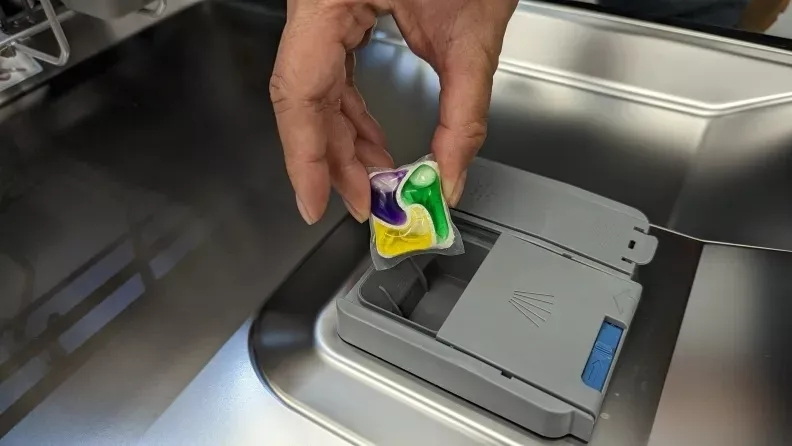
Dishwasher pods are pre-measured packets filled with concentrated dishwashing detergent. Their main job is to remove food residues, grease, and stains from dishes, glasses, and cookware. These pods are formulated with powerful cleaning agents such as surfactants, enzymes, oxygen bleach, and rinse aids. The surfactants break down oils, while enzymes digest proteins and starches left on plates. Whitening and bleaching components help remove tough stains and kill bacteria.
Crucially, these chemical components are optimized for dishwashing environments. Dishwashers use hot water, typically between 120°F and 160°F (49°C–71°C), and sharp water jets to remove grime. Dishwasher pods are activated at those high temperatures, ensuring that the detergent dissolves fully and performs efficiently. This environment is drastically different from the conditions in a washing machine, where cycles often use lower temperatures and different agitation styles.
Because dishwasher pods are designed for solid surfaces, not fabrics, the chemicals are far too harsh for textiles. The strong bleaching and degreasing agents can strip color, weaken fibers, or leave residues that cling to clothing.
Laundry detergents—especially in their pod form—are designed specifically for fabric care and washing machine performance. Their chemical makeup focuses on lifting stains, preserving color, and protecting the integrity of fibers. They often contain mild surfactants, enzymes for organic stain removal (such as sweat or food), brighteners for visual vibrancy, and sometimes softening additives.
Another essential difference lies in foam control. Washing machines, particularly modern high-efficiency (HE) models, require low-suds detergents to function properly. Too much foam can damage internal components and impair washing performance. Laundry pods are carefully engineered to maintain the correct suds balance. Dishwasher pods, though they also produce low foam, are optimized for a completely different cleaning process and chemical environment.
Furthermore, laundry detergent is pH balanced to be skin-safe and fabric-safe. Dishwashing detergents, in contrast, are far more alkaline. This alkalinity may be helpful in removing caked-on food, but it can ruin delicate fabrics and irritate skin.
Though tempting in emergencies, using dishwasher pods in a washing machine can cause unexpected and expensive consequences. Let's look at what actually happens:
1. Incomplete Dissolution: Dishwasher pods are made to dissolve in hot water. In typical laundry cycles that use cooler temperatures, the pod may not fully dissolve, leading to clumps of detergent stuck to clothes or accumulating in the washer drum.
2. Residue and Streaking: Because of their thick formulation and non-fabric-safe chemicals, residues often remain after the cycle ends, leaving white streaks, chalky film, or stiff patches on fabrics.
3. Chemical Damage: The powerful bleach and degreasing agents can fade colored clothing, weaken fibers, and degrade elastic materials like spandex and Lycra commonly found in activewear.
4. Appliance Clogging: Dishwasher detergents can form sticky buildup inside the washer's drainage system, filter, and detergent drawer. Over time, this can cause clogs and even reduce the lifespan of your appliance.
5. Skin Irritation and Allergic Reactions: The leftover detergent can embed itself in fabrics, transferring to your skin when you wear the clothing. The harsh chemicals can trigger redness, itching, or allergic responses.
6. Warranty Voiding: Many washer manufacturers specify acceptable detergent types in their manuals. Using incompatible cleaning agents, such as dishwashing products, can void warranty coverage on your appliance.
In short, substituting dishwasher pods for laundry pods can lead to problems ranging from poor cleaning performance to health and safety risks.
At a molecular level, the contrast between dishwasher and laundry pods is striking. Even though both rely on surfactants, the supporting chemicals, pH levels, and intended cleaning actions differ significantly.
| Component | Dishwasher Pod Purpose | Laundry Pod Purpose |
|---|---|---|
| Surfactants | Break down grease and oils on hard surfaces | Remove dirt and oils from fabric fibers |
| Enzymes | Digest food residues like starch and protein | Target biological stains like sweat or blood |
| Bleaching Agents | Sanitize and whiten dishes | Gentle brighteners safe for colored fabrics |
| pH Balance | High (10–11) for strong degreasing | Moderate (7–9) to protect textiles and skin |
| Fragrance | Minimal or none | Included for freshness |
| Supporting Elements | Rinse aids, anti-spot agents | Fabric care agents, anti-static components |
This contrast reveals why dish detergents are fundamentally incompatible with fabric cleaning. Their strong alkaline nature can stiffen clothing, strip colors, and deteriorate elasticity. Laundry detergents, on the other hand, maintain a safer chemical balance that cleans effectively while preserving material softness.
If you find yourself out of laundry detergent, there are safer temporary substitutes than dishwasher pods. Some household items can help tide you over in an emergency without causing damage.
- Baking Soda: This natural cleaner neutralizes odors and helps brighten fabrics. Add about half a cup to your wash cycle.
- Distilled White Vinegar: Acts as both a deodorizer and mild fabric softener. Use one cup in place of detergent, especially for lightly soiled clothing.
- Mild Hand Soap or Body Wash: A small amount can work in a pinch, but use sparingly to avoid excess sudsing.
- Borax or Washing Soda: Available in many households, these powders can act as effective detergent boosters.
Be cautious, however, with these alternatives. Natural substitutes are acceptable for occasional use but cannot fully replace the cleaning power of formulated laundry detergents in the long run.
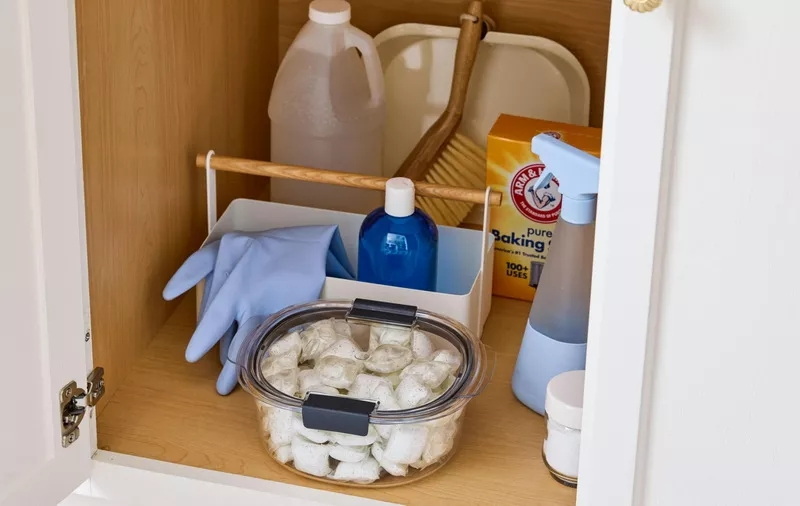
Accidentally using the wrong pods often stems from simple confusion. Both dishwasher and laundry pods come in similar packaging—often small, colorful, and glossy. To prevent mistakes:
- Store them separately: Keep dishwasher pods under the sink and laundry pods in the laundry area.
- Label containers clearly: Use bold labeling if you transfer pods to jars or bins.
- Educate all household members: Especially children and teens who might do laundry occasionally.
- Avoid mixing brands or containers: Some storage boxes look identical—dedicate specific spaces for each.
Preventive organization can save both your washing machine and your favorite clothes from costly accidents.
The environmental impact of detergent choices also matters. Dishwasher pods often contain stronger chemicals, bleaches, and phosphates that, when misused, can contribute to water pollution. Laundry products today are increasingly eco-conscious, designed with biodegradable surfactants and reduced packaging waste.
Choosing the correct detergent ensures that you uphold sustainability. Misusing dishwasher pods in washing machines not only risks appliance damage but also results in unnecessary chemical discharge into wastewater systems. Opt for environmentally certified laundry detergents when possible to reduce your household's ecological footprint.
Mistakes happen, and if you've already added a dishwasher pod to your washer, follow these steps immediately:
1. Stop the Cycle Early if possible, and remove clothing.
2. Rinse Clothes Thoroughly under cool running water to remove detergent residue.
3. Run an Empty Wash Cycle with hot water and no detergent to clean the drum and flush residual chemicals.
4. Clean the Detergent Drawer and Filter using a damp cloth to remove buildup.
5. Rewash the Clothes using appropriate laundry detergent on a normal cycle.
6. Inspect Fabrics for fading, stiffness, or residue, and rewash if needed.
Taking these steps minimizes lasting damage and prevents your washer from retaining harmful chemicals.
The washing machine is a sensitive system, calibrated for water flow, suds volume, and detergent solubility. Detergents designed specifically for washing machines dissolve at precise temperatures and avoid excessive foaming that could harm the system.
Dishwasher pods, when used inappropriately, throw off these balances. Internal pumps, sensors, and drainage components can clog or malfunction if too much residue builds up. Over time, this can lead to performance decline or the need for expensive repairs. Using the correct detergent is as much about protecting the machine as it is about cleaning your clothes.
Using dishwasher pods in your washing machine is never a good idea. Despite their superficial similarity to laundry pods, dishwasher detergents are chemically and functionally incompatible with fabric cleaning. They can leave stubborn residues, weaken fibers, fade clothes, damage washing components, and even cause health irritations.
When in doubt, always use detergent intended for washing machines. If you ever run out, substitute temporarily with mild household cleaners like baking soda or vinegar, and never attempt to improvise with dishwashing products. Correct detergent choice extends the life of both your washer and your wardrobe—ensuring fresh, clean laundry every time.
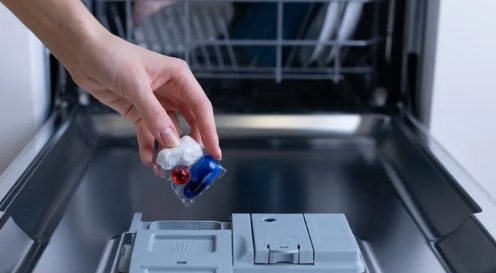
No, they are not formulated for fabrics. While some cleaning might occur due to surfactants, the lack of fabric-safe agents and the presence of harsh chemicals can damage clothing and irritate skin.
A one-time mistake likely won't destroy your washer but can leave residues and irritants. Run an empty rinse cycle with hot water to cleanse the system and rewash your clothes with proper detergent.
Yes, they often contain strong bleaches and alkalis that can weaken fibers, cause fading, and affect the elasticity of fabrics—especially synthetics like polyester or nylon.
Baking soda, white vinegar, or mild liquid soap can work temporarily. Avoid dish soap or dishwasher detergent since they can damage the washer and cause excessive foaming.
Dishwasher pods are usually opaque or neon-colored, sometimes with multiple internal chambers. Laundry pods often include gel capsules with fragrance components. Always read the label before use to confirm their intended purpose.


